When your pet needs specialized care, a veterinary laboratory plays a critical role in providing accurate diagnostics and treatment guidance.
In this article, we’ll explore veja o site what clique aqui para saber mais veterinary labs do, what services they offer, how to find one near you, and why choosing the right lab matters.
Let’s start by understanding exactly what a veterinary laboratory is and why it’s essential in modern animal healthcare.
Understanding Veterinary Labs
Just like human medical labs, veterinary labs follow strict protocols to ensure accuracy and reliability.
Larger labs may also offer molecular diagnostics, genetic screening, and advanced pathology services.
Regardless of size or setup, these labs play an essential role in helping veterinarians diagnose conditions early, tailor treatments, and monitor recovery effectively.
Common Tests Performed in Veterinary Labs
Urinalysis and fecal exams help detect infections, parasites, or metabolic issues.
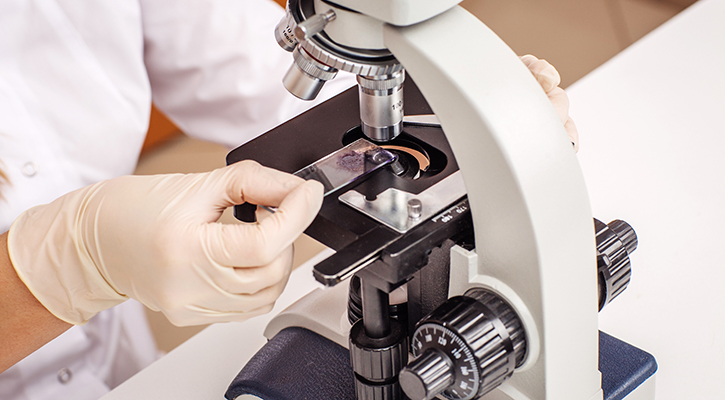
For more specialized diagnostics, veterinary labs offer cytology (examining cells under a microscope), biopsies, hormone level testing (such as thyroid or cortisol), and infectious disease panels.
These tests are essential for early disease detection, accurate diagnosis, and treatment planning.
Finding the Best Local Veterinary Diagnostic Lab
Start by asking your veterinarian—they often have trusted partnerships with local or national labs and can guide you to the right provider.
Online directories and veterinary associations can help locate accredited labs in your area.
If you’re a pet owner seeking direct access to a lab for second opinions or advanced testing, contact the lab to understand their intake process—some require referrals, while others accept samples directly.

When to Use a 24-Hour Veterinary Lab
Standard labs typically process routine tests during business hours, while 24-hour veterinary labs offer emergency diagnostic services around the clock.
These labs are often linked to emergency veterinary hospitals and specialize in handling critical cases at any time of day or night.
Discuss with your veterinarian which lab setup best suits your pet’s needs.
Why Veterinary Diagnostics Matter for Your Pet’s Health
Veterinary diagnostics are the backbone of modern animal healthcare.
In chronic cases, regular lab monitoring ensures medications remain effective and side effects are minimized.
With the support of a trusted veterinary laboratory, you and your veterinarian can work together to make informed, timely, and effective healthcare decisions.
Conclusion: Choosing the Right Veterinary Lab for Your Pet
Accurate, timely results help catch problems early, support effective treatments, and give you peace of mind as a pet owner.
By understanding the range of services veterinary labs offer, knowing when to seek 24-hour support, and learning how to find reputable labs near you, you empower yourself to make the best choices for your animal companion.
As veterinary medicine continues to evolve, so do the diagnostic tools available to monitor and protect your pet’s health.
Common Questions About Veterinary Labs
What is a veterinary diagnostic lab?
These labs support veterinarians by providing accurate, fast diagnostic information essential for proper care.
How do I find a veterinary lab near me?
You can also search online directories or check with veterinary associations to find accredited labs in your area.
How do I know if I need an emergency vet lab?
If your pet experiences sudden, severe symptoms—such as collapse, poisoning, or acute injury—a 24-hour veterinary lab can provide rapid diagnostics to support emergency treatment.
What can veterinary lab tests detect?
Common tests include blood counts, chemistry panels, hormone levels, infectious disease screening, urinalysis, fecal exams, cytology, biopsies, and genetic testing.
How much do veterinary lab tests cost?
Your veterinarian can provide estimates and help prioritize necessary diagnostics.